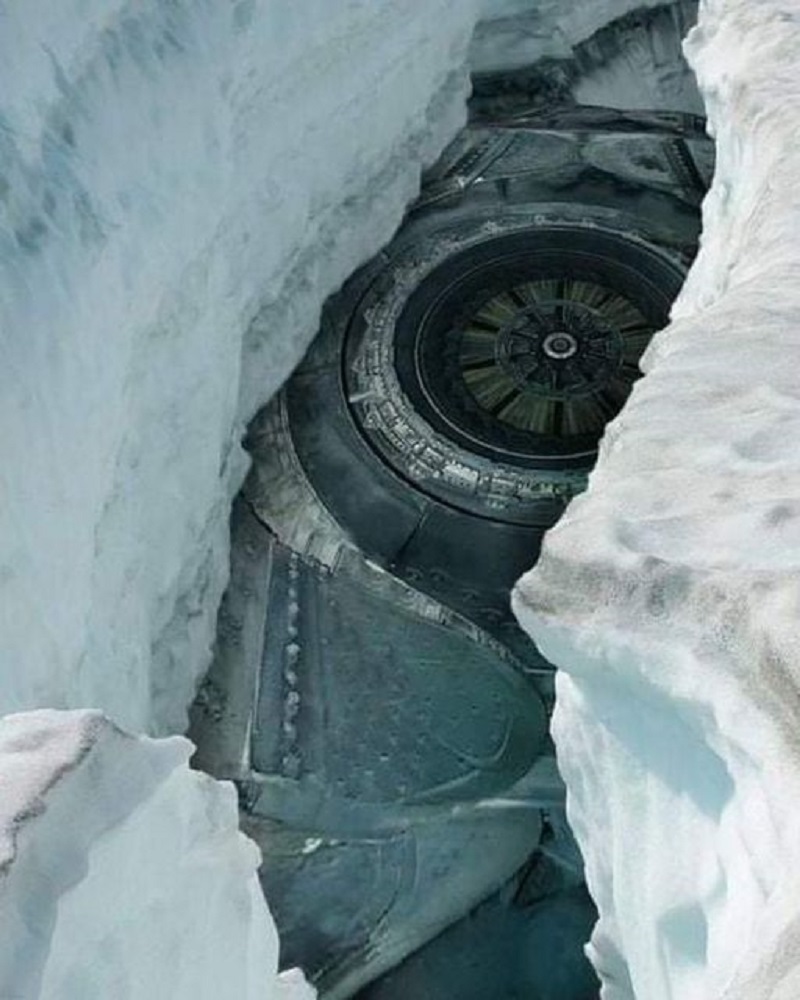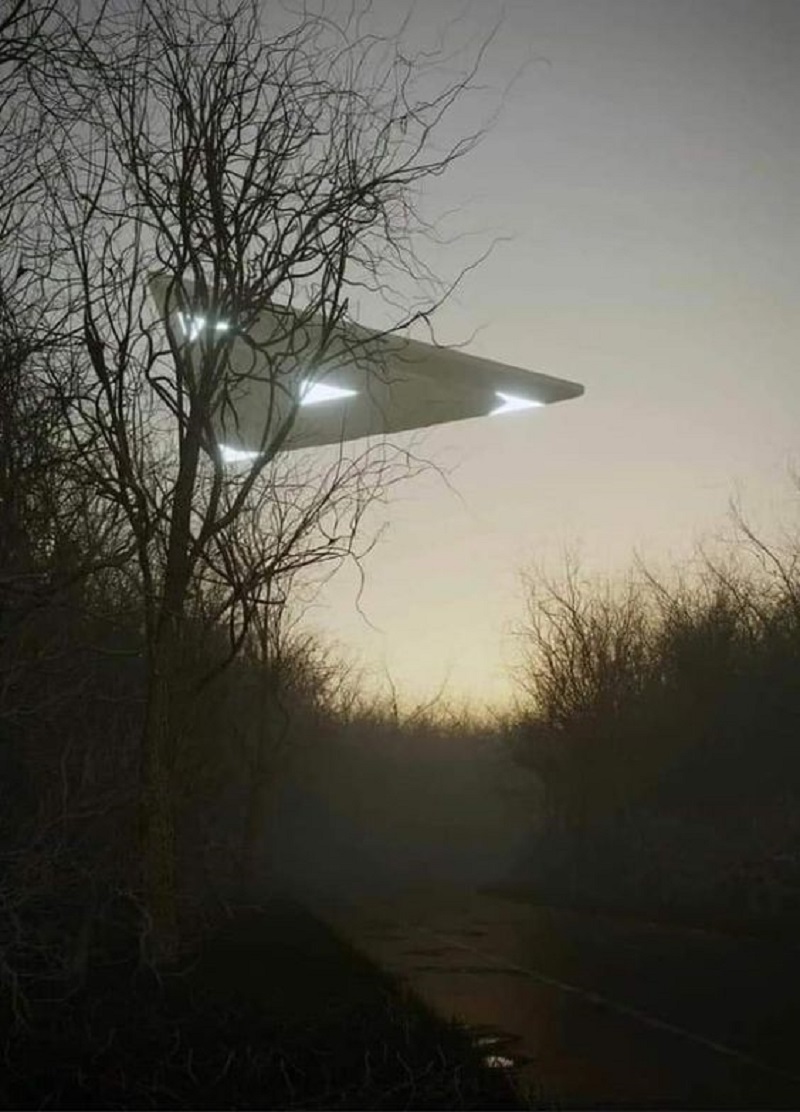
Alien Families Unveiling the Mysteries of Extraterrestrial Social Structures
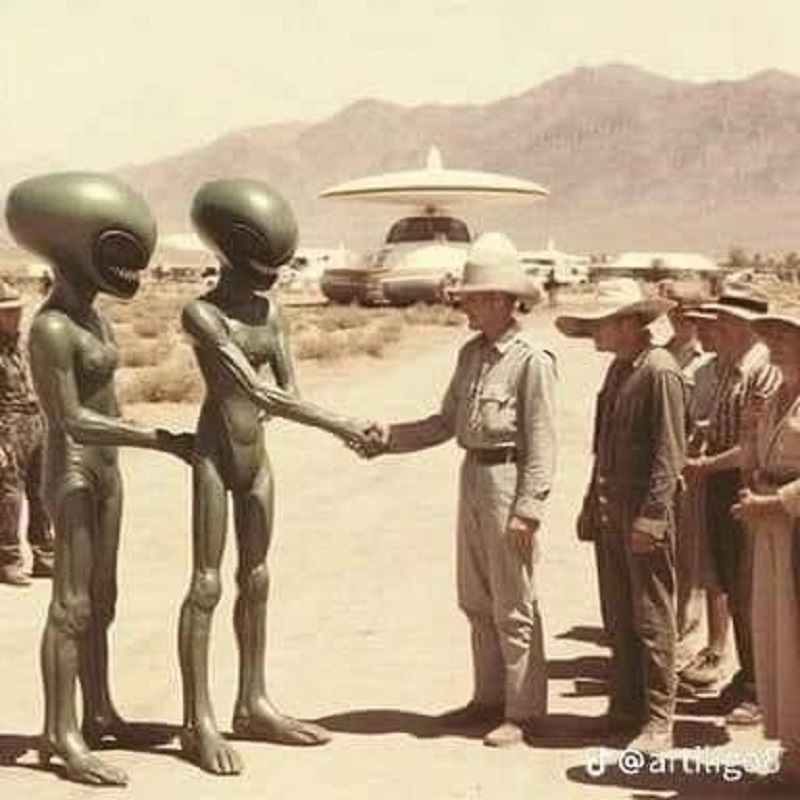
The fascination with extraterrestrial life often leads us to ponder the nature of their societies and social structures. While we have limited knowledge of potential alien civilizations, the question of whether aliens live like a family together is a topic that has stirred curiosity and inspired countless speculations. In this blog post, we will explore the concept of alien families and delve into the possibilities, considering both the scientific and imaginative perspectives.
I. Theories on Extraterrestrial Social Structures
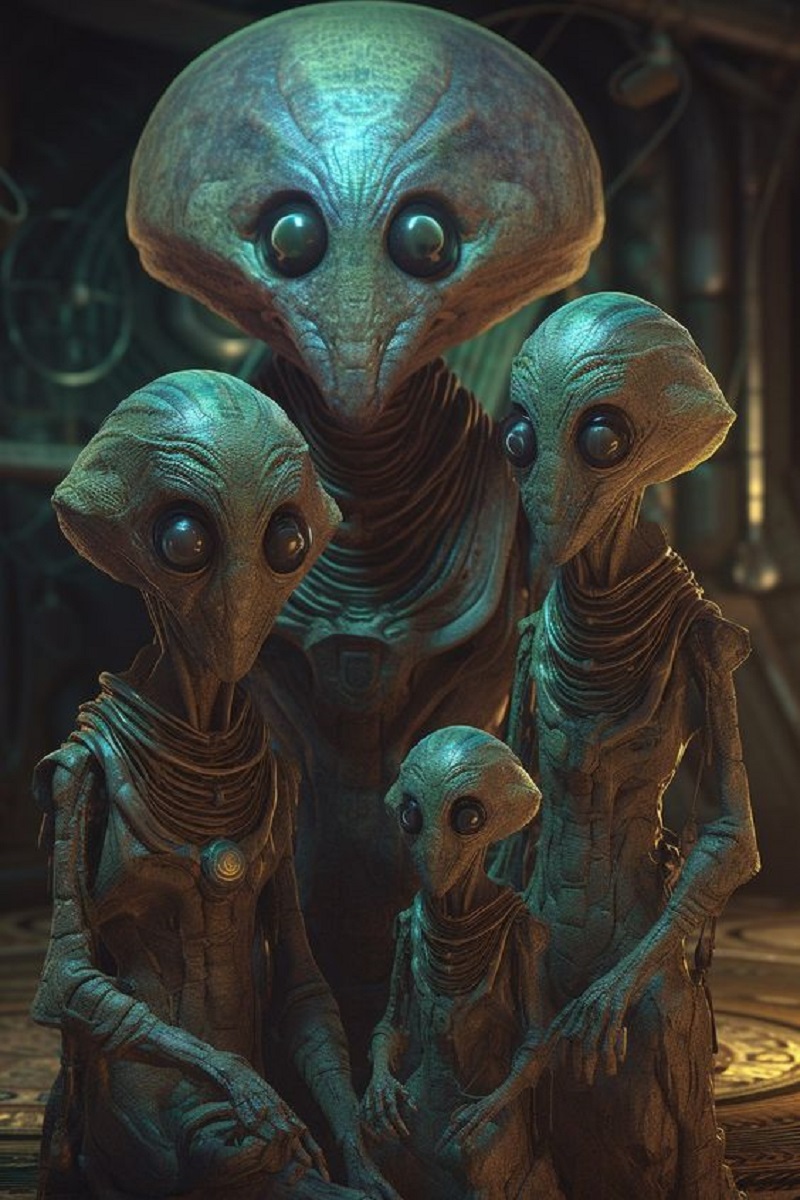
The question of how aliens might live and organize themselves remains largely speculative, as we have no direct evidence of extraterrestrial life. However, various theories and hypotheses have been put forth by scientists and science fiction enthusiasts alike. Some posit that alien civilizations could be organized in ways similar to human societies, while others envision entirely unique social structures.
II. Human-Like Alien Families
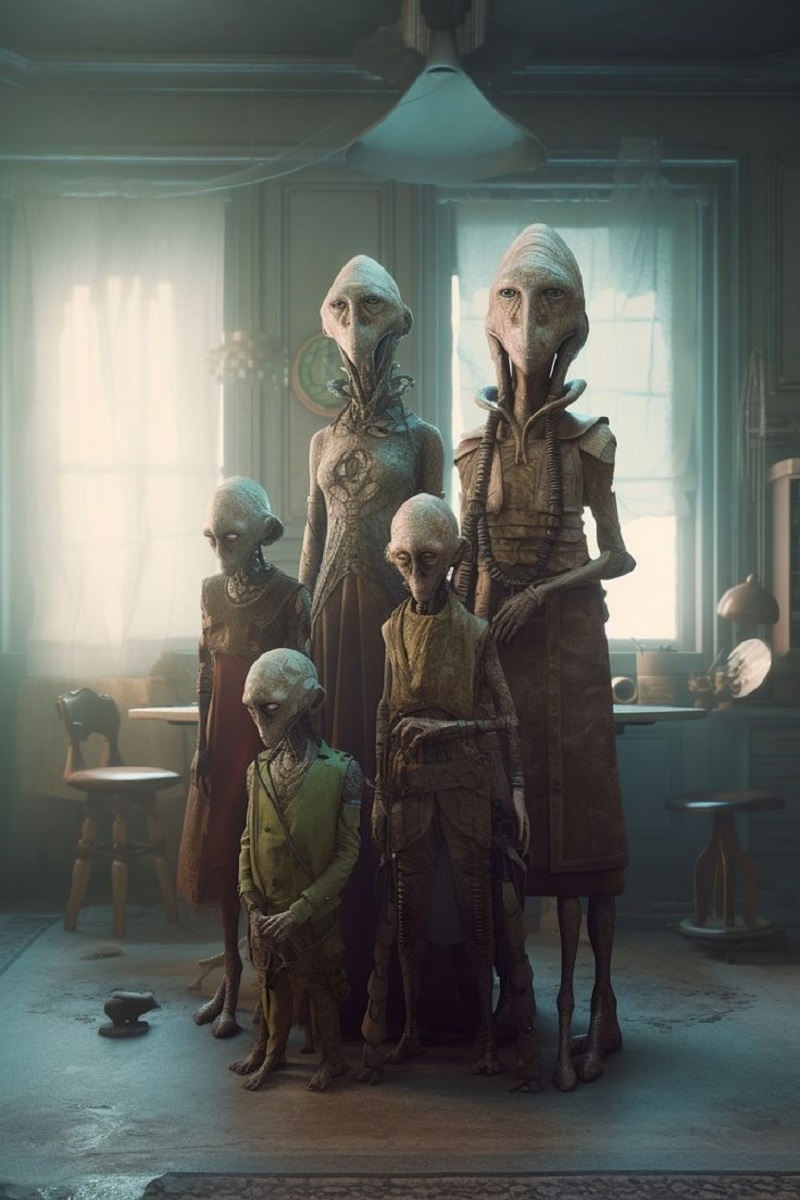
One theory suggests that if extraterrestrial life exists, it could resemble our own family units. Proponents of this idea argue that life on other planets may have evolved in a manner similar to Earth and thus possess comparable social structures, including family units. This theory is based on the assumption that certain aspects of life, such as the need for reproduction and childcare, could be universal.
III. Hive-Mind and Collective Intelligence
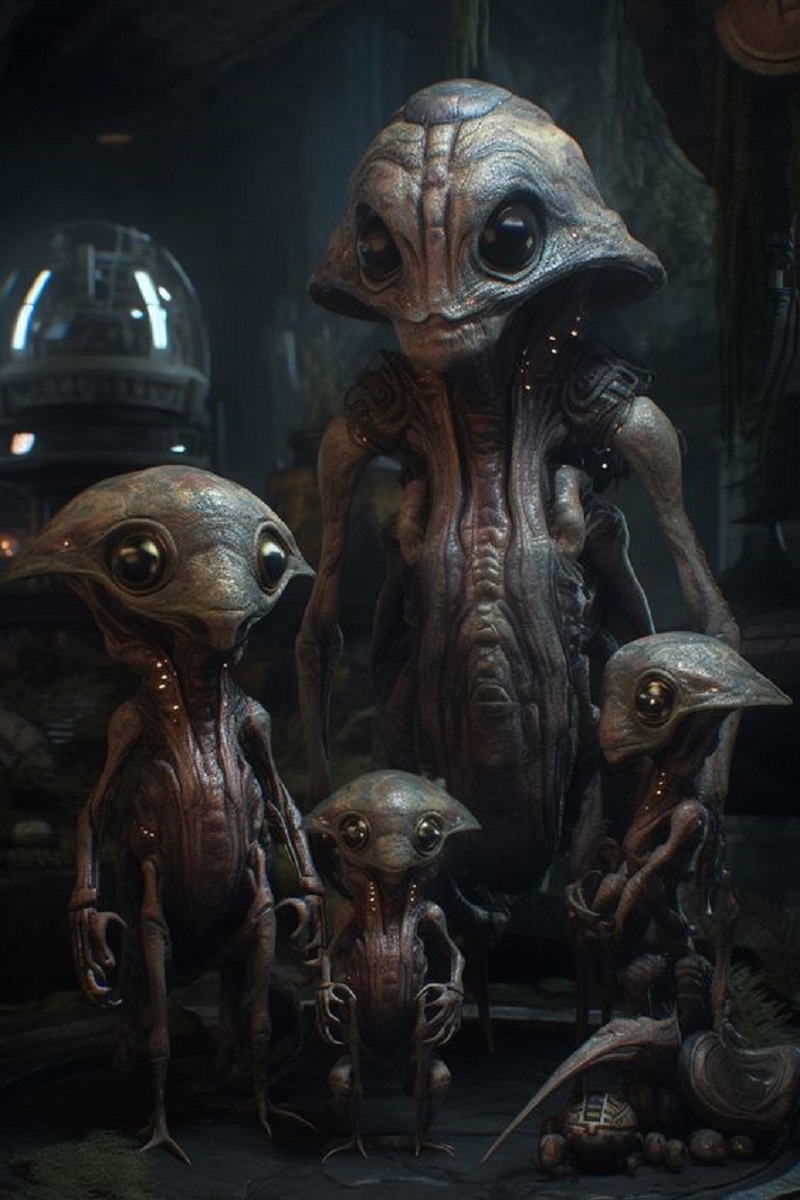
Another intriguing possibility is that some alien species might operate as a collective, similar to a hive-mind. In such societies, individual identity might be secondary to the group’s collective intelligence and shared decision-making. This concept challenges our understanding of family as we know it and suggests a highly interconnected existence.
IV. The Enigma of Alien UFOs
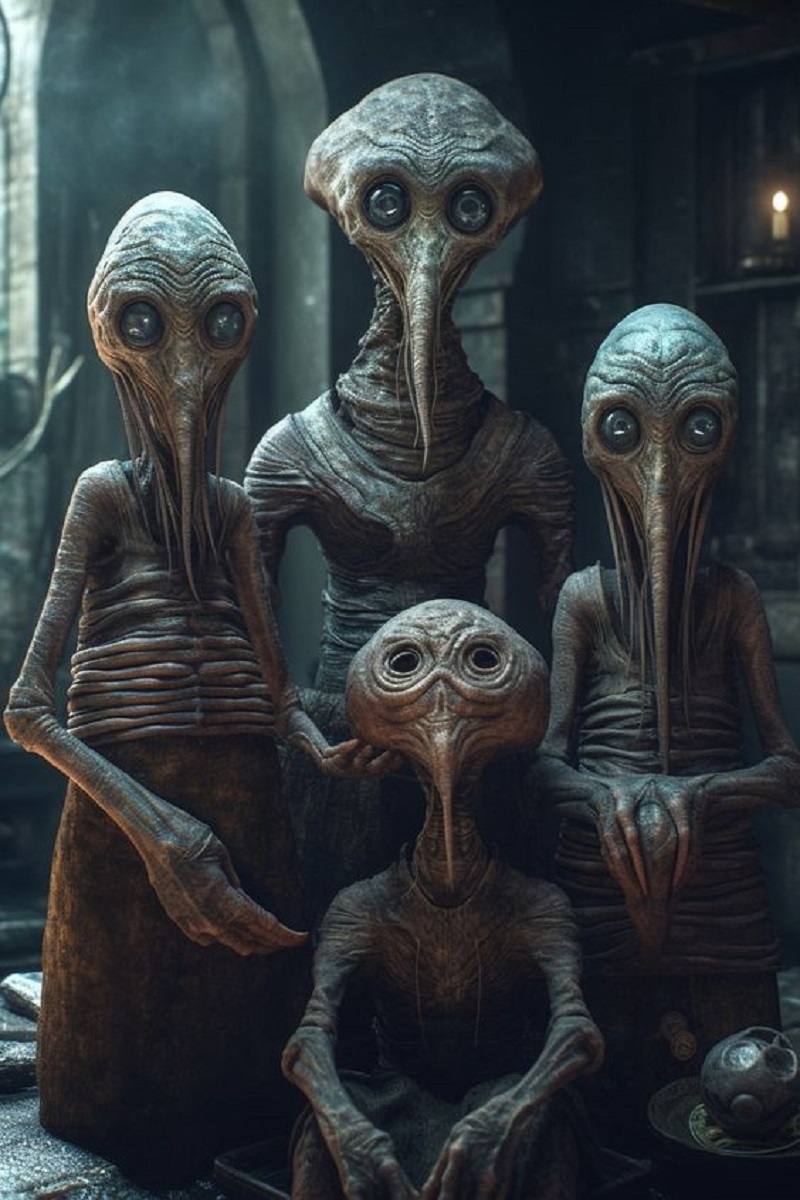
The idea of alien families, whether resembling our own or having entirely different social structures, is shrouded in mystery, much like the broader question of extraterrestrial life. While we may not have definitive answers, the allure of the unknown and the mysteries of alien UFOs continue to captivate our imaginations.
In conclusion, the concept of alien families and extraterrestrial social structures remains a subject of speculation and intrigue. As we explore the possibilities, we must acknowledge the enigma surrounding the existence of alien life and their potential societal arrangements. The mysteries of the cosmos and the fascination with alien UFOs remind us that our understanding of the universe is a constantly evolving journey, full of endless possibilities and uncharted territories.
Comments (0)
Loading comments...
May You Like

12 Awesome Christmas traditions from around the world

Savoring the Flavors of Baja: A Culinary Journey with Fish Tacos

UFO Hotspots: Where in the World Are the Most Sightings?
Latest Posts




Popular Posts